
Improve Mobility with Chair Flow Classes in Heart of Cheshire
- Roberta Cardoso Eardley

- Feb 10
- 3 min read
When movement feels limited, every day tasks can become a challenge. I understand how frustrating it is to wait for physiotherapy appointments or to feel unsure about how to safely regain strength and flexibility. That’s why I want to share something that has made a real difference for many people: chair flow classes. These gentle, accessible sessions offer a way to improve mobility without the strain of standing exercises. If you’re in Congleton or nearby, this could be the support you’ve been looking for.
Why Chair Flow Classes Matter for Mobility
Mobility is more than just moving from one place to another. It’s about maintaining independence, reducing pain, and feeling confident in your body. Chair flow classes focus on slow, controlled movements performed while seated. This approach is ideal for those who are on physiotherapy waiting lists, recently discharged from hospital, or simply need a safe way to stay active.
The beauty of chair flow is its adaptability. Whether you have limited strength, balance concerns, or joint pain, these classes meet you where you are. The exercises help to:
Increase joint flexibility
Improve circulation
Enhance muscle tone
Reduce stiffness and discomfort
By practising regularly, you can notice subtle but meaningful improvements in your daily life. Tasks like reaching for items, standing up, or walking become easier and less painful.

What to Expect in a Chair Flow Class
If you’ve never tried chair flow before, you might wonder what a typical session looks like. The classes are designed to be welcoming and easy to follow. You’ll be guided through a series of gentle movements that focus on different parts of the body, including the neck, shoulders, arms, back, hips, and legs.
Each movement is slow and deliberate, encouraging mindfulness and body awareness. The instructor will often remind you to breathe deeply and move within your comfort zone. This steady pace helps build confidence and reduces the risk of injury.
Here’s a simple breakdown of what a session might include:
Warm-up: Gentle stretches and breathing exercises to prepare your body.
Upper body flow: Movements to loosen the shoulders, arms, and neck.
Lower body flow: Exercises targeting hips, knees, and ankles.
Core engagement: Gentle twists and seated balance work.
Cool down: Relaxing stretches and calming breath work.
Healing Meditation practice to find ourselves in the bliss of the present moment.
The supportive environment means you can take breaks whenever you need. Over time, you’ll find your range of motion expanding and your muscles feeling stronger.
How Chair Flow Complements Physiotherapy
While chair flow classes are not a replacement for physiotherapy, they are a valuable complement. For those waiting to see a physiotherapist or recovering from treatment, these classes provide a way to stay active and maintain progress.
PhysioToday Clinic Northwich understands the importance of accessible care. Their unique movement programs, including chair flow, are designed to help manage pain and improve mobility in a safe, supportive setting. This approach can reduce the frustration of waiting and empower you to take control of your recovery.
If you’re interested, you can find more information about chair flow classes Cheshire and how they fit into a broader physiotherapy plan.
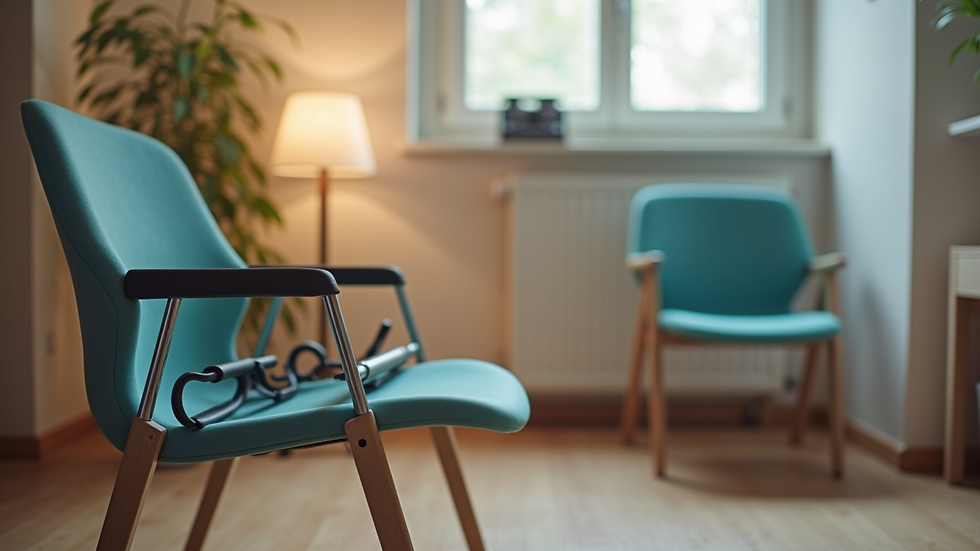
Practical Tips for Getting the Most from Chair Flow
To truly benefit from chair flow classes, consistency and mindset matter. Here are some tips I’ve found helpful:
Attend regularly: Aim for at least two sessions a week to build momentum.
Listen to your body: Move within your limits and avoid pushing into pain.
Create a comfortable space: If practising at home, choose a sturdy chair and a quiet spot.
Wear comfortable clothing: Loose, breathable clothes help you move freely.
Stay hydrated: Drink water before and after sessions.
Set small goals: Celebrate improvements like reaching a little further or holding a position longer.
Remember, progress may be gradual. That’s perfectly okay. Each small step adds up to meaningful change.
Embracing Movement as Part of Your Recovery Journey
Recovery and improved mobility are journeys, not destinations. Chair flow classes offer a gentle, steady path forward. They remind us that movement can be accessible, enjoyable, and empowering, even when traditional exercise feels out of reach.
If you’re ready to explore this supportive approach, consider joining a local class or speaking with your healthcare provider about incorporating chair flow into your routine. With patience and care, you can regain confidence in your body and enjoy a fuller, more active life.
Your journey to better mobility starts with a single, gentle movement. Why not take that step today?


Comments